
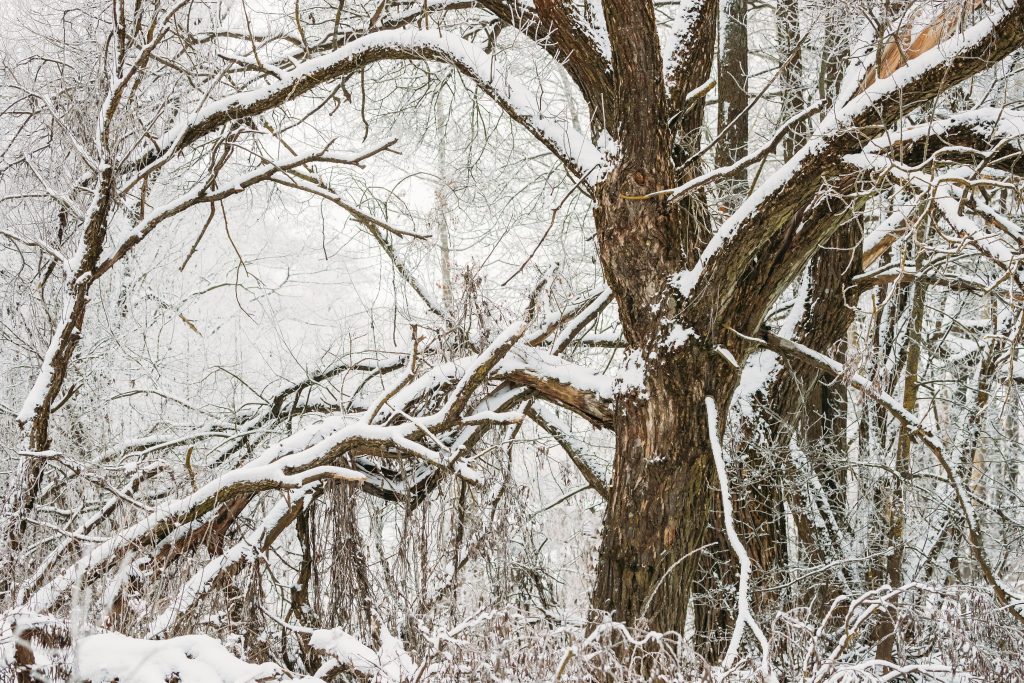
When a winter storm hits London, Ontario, it is not just the snow you need to worry about. Ice, wind, and heavy snow loads can turn weak branches into serious hazards for your roof, vehicles, and power lines.
If you have ever watched a limb crack under ice or found a broken branch on your driveway, you know how stressful it can be. Many homeowners and property managers only call for help after something goes wrong – but the safest, most cost-effective approach is to prepare your trees before winter arrives.
Working with a local tree company in London Ontario means you get eyes on your trees from people who understand local weather patterns, soil conditions, and species. They can spot hazards early, recommend the right winter tree care, and help you avoid surprise repairs later.
Below are five proven ways professional winter tree care helps prevent property damage and keeps your property safer all season.
Why Winter Tree Care Matters in London, Ontario
Ontario has a long history of ice storms and heavy winter weather that can severely damage trees. Forestry groups in the province note that ice buildup can break limbs, split trunks, and even uproot trees, especially when they are already weak or poorly maintained.
Forests Canada advises homeowners to treat damaged trees carefully, watch for hanging limbs, and leave major work and anything near power lines to trained professionals.
Good winter tree care:
- Reduces the chance of branches falling on roofs, cars, or fences
- Limits trip hazards from lifted sidewalks and broken limbs
- Lowers the risk of damage to power lines and sheds
- Helps trees bounce back faster in spring
Instead of relying on luck, you can use winter as a time to strengthen your trees and manage risk.
Way 1 – Winter Inspections Catch Hidden Tree Hazards
You can see a dead branch or a leaning tree, but many problems are less obvious. Cracks, internal decay, or weak branch unions often show up under stress – such as a heavy snow load or freezing rain.
What a professional winter inspection looks for
During a winter inspection, a tree professional will typically:
- Look for dead, cracked, or hanging branches over driveways, walkways, and buildings
- Check branch unions for weak forks or decay
- Examine the trunk for splits, cavities, or fungal growth
- Assess roots for signs of heaving or instability
- Note any branches near service lines or structures
Forestry guides stress the importance of assessing tree structure after storms and before future events, especially where falling branches could harm people or property.
A local tree company in London Ontario understands typical winter conditions here — from lake-effect snow to freezing rain — and can prioritize the trees most likely to cause damage.
When to schedule an inspection
Good times to schedule winter inspections are:
- Late fall, before heavy snow and ice
- After significant ice or wind storms
- Any time you notice a new lean, crack, or suspicious branch
Catching issues early makes it easier and often cheaper to fix them.
Way 2 – Pruning Reduces Breakage and Roof Damage
Pruning is one of the most effective tools for preventing winter damage. When done properly, pruning lightens the load on limbs and removes dead or weak wood before snow and ice add extra weight.
Tree experts often recommend pruning during dormancy because there is less foliage, it is easier to see the branch structure, and certain diseases are less active.
How proper cuts make trees safer
Correct pruning:
- Removes dead, diseased, or rubbing branches
- Thins crowded areas to reduce breakage
- Shortens over-extended limbs that hang over roofs or driveways
- Improves overall structure so the tree can handle wind and snow
Improper pruning, such as topping, can make trees more likely to fail. Many educational resources warn against topping because it creates weak regrowth and increases the risk of future breakage.
Branches to prioritize before snow and ice
Before winter, a professional might prioritize:
- Dead or cracked limbs over parking areas and entrances
- Heavy branches resting near gutters, shingles, or chimneys
- Limbs that contact or hang close to service lines (these must be treated with extra caution and often involve utility coordination)
By removing the most dangerous branches early, you reduce the chance of emergency calls and insurance claims later.
Way 3 – Supporting Vulnerable Trees Before Heavy Snow
Not every tree needs removal or major pruning. Some are fundamentally strong but have one or two vulnerable limbs that need extra help to handle winter weather.
Cabling, bracing, and structural support
Professional tree care may include:
- Cabling to support heavy limbs and distribute weight
- Bracing to reinforce weak branch unions
- Selective pruning to shift weight away from risky areas
These methods, when properly installed, can help reduce the chance of sudden limb failure during storms. Educational materials on ice damage and tree care point out that structural support and maintenance can minimize how much damage a storm causes.
Special care for young and newly planted trees
Young trees are especially vulnerable to winter damage from:
- Frost heaving
- Wind rock
- Sunscald
- Animal damage
Best-practice guides recommend:
- Mulching young trees to insulate roots
- Using tree guards or wraps where needed
- Choosing sheltered locations away from salted roads
When you work with a local company, they can show you which of your young trees need simple DIY protection and which need professional attention.
Way 4 – Safe Response After Ice Storms
Even with good preparation, winter storms can still break branches. What you do after a storm makes a big difference for both safety and long-term tree health.
Forests Canada advises homeowners to inspect only when it is safe, avoid hanging or tensioned branches, and leave heavy or high work to trained professionals, especially near power lines.

What homeowners should and should not do
After an ice storm, you can:
- Check the ground for fallen limbs around driveways and paths
- Mark off areas under hanging or cracked branches
- Gently brush off light snow from low branches if you can do so safely
You should not:
- Stand under branches still coated in ice or obviously cracked
- Try to remove large hanging limbs yourself
- Work anywhere near power lines
Extension notes and homeowner guides repeatedly stress safety first, because damaged branches can fall without warning.
When to call professionals immediately
Call a local tree company right away if you see:
- Branches resting on or close to power lines
- Limbs cracked but still hanging over entrances, walkways, or driveways
- Split trunks or trees leaning more than before the storm
- Large broken limbs stuck high in the canopy
This is where having an ongoing relationship with a local tree company in London Ontario pays off. You are not starting from scratch; you already have a team familiar with your trees and property.
For general guidance on caring for trees after ice storms, you can also review Forests Canada’s homeowner-focused advice:
- Caring for trees after ice storms → https://forestscanada.ca/en/article/caring-for-trees
Way 5 – Planning Winter Tree Care London Ontario for the Long Term
The strongest protection comes from treating tree care as a yearly plan, not just a reaction to the latest storm or fallen branch.
Turning emergencies into a simple yearly plan
A good plan with a local company might include:
- Fall: Inspection and priority pruning before freeze-up
- Winter: Follow-up checks after major storms, especially for high-risk trees
- Spring: Assessing any damage, cleaning up broken limbs, and planning work for the year
- Summer: Monitoring growth, pests, and soil conditions
Forestry organizations encourage regular maintenance and investment in ongoing care as a key way to avoid repeat damage in future storms.
Budgeting and timing with a local tree company
When you partner with a local tree service, you can:
- Spread work across the year instead of paying for everything at once
- Get advice on which trees need urgent attention and which can wait
- Plan maintenance around your own schedule, tenants, or business hours
This makes winter tree care feel manageable, not overwhelming.
How Brockley Tree Helps Protect Your Property This Winter
Brockley Tree offers a full range of services for homeowners and property managers in London, Ontario. If you want a clear plan for your trees, start by reviewing their tree maintenance services in London, Ontario: https://brockleytree.com/services/
You can also read more detailed tips on how to prevent tree damage during ice storms, including practical steps to take before and after severe weather:
From winter inspections and pruning to safe storm response and long-term planning, a trusted local team can help you:
- Reduce the risk of roof, fence, and vehicle damage
- Keep walkways and driveways safer
- Protect the trees you value most
If you are already worried about the next storm, now is the ideal time to schedule a winter tree assessment.
FAQs
- How does winter tree care actually prevent property damage?
Winter tree care prevents property damage by removing weak or dead branches before snow and ice add extra weight, supporting vulnerable limbs, and identifying trees that may fail under storm conditions. Forestry resources in Ontario highlight that proactive care helps avoid broken limbs, split trunks, and uprooted trees during severe weather. - When should I schedule winter tree work in London, Ontario?
Many experts recommend booking inspections and pruning in late fall or early winter, before heavy snow and ice arrive. You should also schedule a follow-up visit after any major ice storm or wind event, especially if you notice cracks, new leaning, or hanging limbs. - Is it safe to remove ice-covered branches myself?
Small, low branches may be manageable if you have the right tools and protective gear, but damaged branches can fall without warning. Forests Canada and other guides strongly advise that large limbs, overhead work, and anything near power lines be left to trained professionals. - What are signs that a tree is dangerous in winter?
Warning signs include big dead limbs, large cracks in the trunk, branches hanging over roofs or driveways, trees leaning more than before, and roots lifting sidewalks or soil. If you see any of these, call a local tree company for an assessment. - How do I choose the right local tree company in London Ontario?
Look for a company with experienced professionals, proper insurance, and good reviews. Ask if they follow guidance from recognized forestry or safety organizations and whether they can provide a long-term plan, not just one-time cutting. Local familiarity with London’s weather and tree species is a major plus.